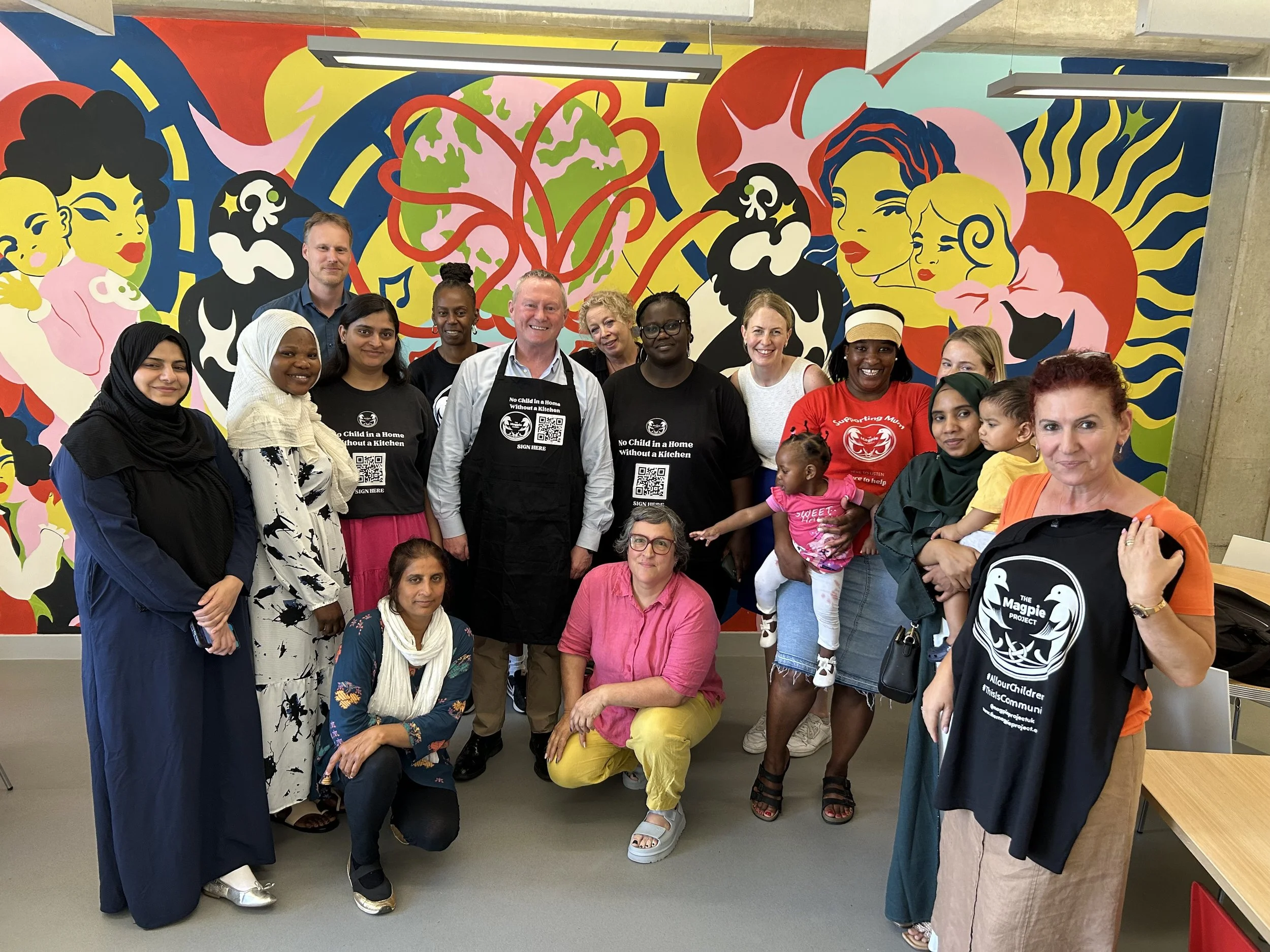
Spotlight on Jane Williams, Founder & CEO of The Magpie Project
We had the pleasure of connecting with Jane Williams, Founder & Ceo of The Magpie Project, to talk about the incredible work they do throughout East London. Jane is currently leading as Community Host on our ‘Arts & Homelessness’ project with our Cultural Producers.

Can you share how The Magpie Project began, and what it has grown into today?
We started off as a few mums, grandmas, aunties - involved in and around Kay Rowe Nursery School and Children’s Centre, who were becoming increasingly concerned that the brilliant services offered by Newham Children’s centres were not reaching all pre-school children. We spoke to mums in temporary or insecure accommodation about the barriers they faced in accessing support at children’s centres. They told us that they felt ashamed that their clothes were not clean enough (they had no laundry facilities at home) or that they could not afford the bus, or that they were scared to give their name on the front desk. But most of all they were overwhelmed and did not want people to judge their parenting or - in a chilling phrase we still hear over and over ‘I did not want them to take my children away’.
We realised that there was an outreach issue. I approached many people to ask how to solve the problem - but at that stage (and this was a different time in Newham) there was not much interest in meeting the needs of these families. ‘They won’t engage’, ‘They are hard to reach’, and ‘These are not our children’ are phrases I heard from people who were paid to meet the needs of children in the borough.
We said: ‘They are #allourchildren” and ‘They are not hard to reach, you are difficult to access’. We have been trying to flip the script since!
Since our six week pilot in a room on the Romford Road, (thank you Aston Mansfield) we have grown in to a much larger charity employing a play lead, two family support workers, a graduation manager, and working alongside incredible partners like Praxis, Shelter, UCL to bring wonderful advice, support, play and joy to our families.
What are some of the day-to-day realities faced by the mums and children you support?
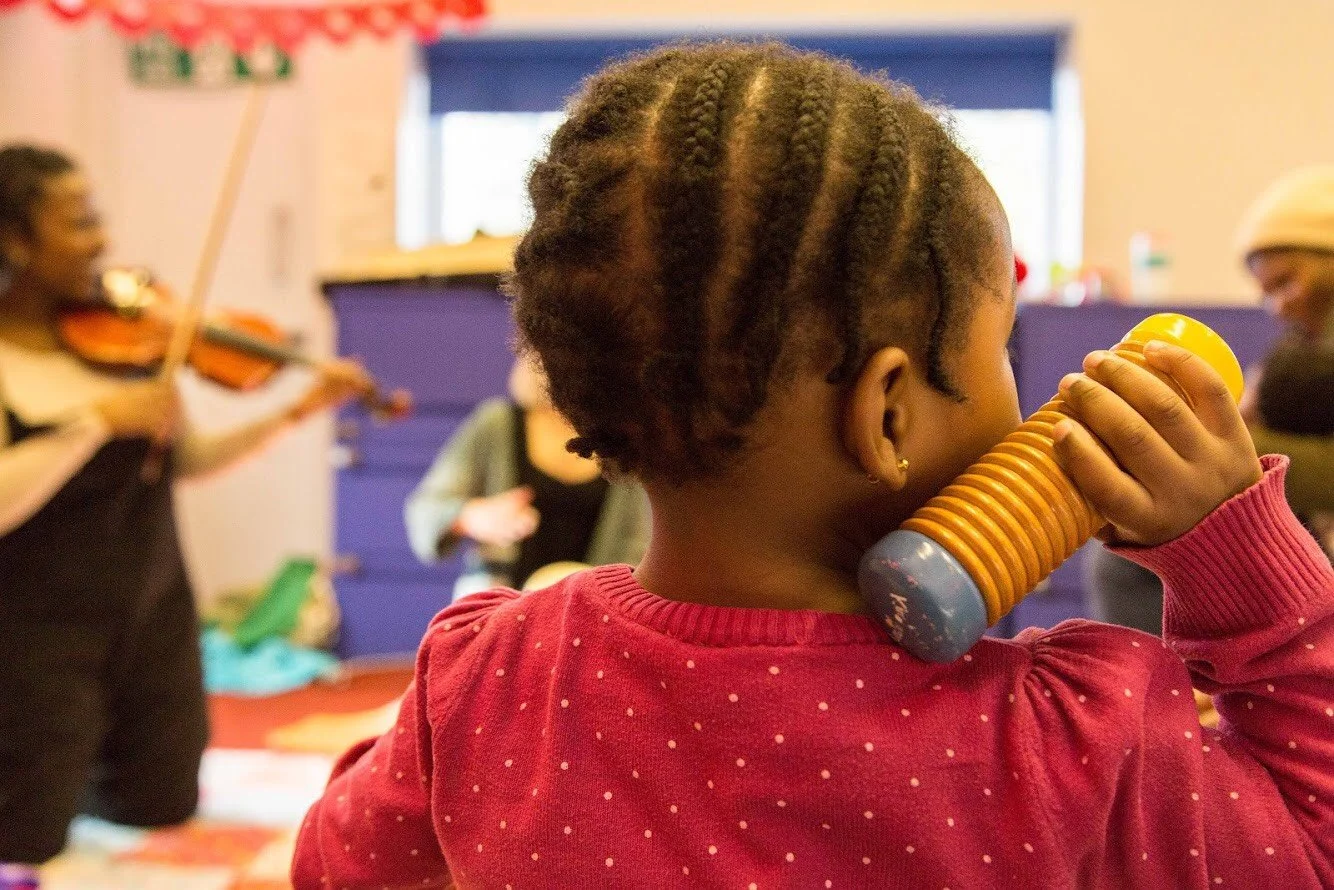
Our mums are living 4 to a hotel room, with no kitchen facilities, having to store medication on window sills, unable to cook their sick children a midnight snack. They are not able to control the most basic parameters of their lives - when they eat, when they do their laundry. Our mums don’t have the space in their ‘homes’ to give their children the basics they need to develop - they have no floor space for tummy time and learning to crawl, no kitchen for weaning, no space for a separate bedtime for your children. Despite all these deprivations our mums are wonderful mums and are mothering to the highest standard without any visible means of support - I am in awe of them.
Another by product of the housing crisis is that our mums are often moved out of borough with little or no notice. They are uprooted - sometimes over and over again - which makes it almost impossible to create and maintain the community that is an essential support system around any child. When mothers are moved in to emergency accommodation it often contains no furniture at all. This means that children and adults can spend weeks in an empty flat, sleeping on airbeds on the floor.
These difficult home circumstances and frequent moves make finding and maintaining help with health, mental health, education, and emerging SEN needs for their children become almost impossible for mothers.
What excites you about bringing the arts into conversations around housing and homelessness?
We have always believed that the arts are an essential part of our work to make sure that the narratives around migration and homelessness are challenged, that our mums have a chance to show the world how wonderful and extraordinary they are, and that we are all the same, and share the same hopes and dreams - we all just want home, health and connection for ourselves and our children. We have learned from wonderful practitioners such as Groundswell, Cardboard Citizens, Creating Ground, and the Museum of Homelessness that human stories and the joy of creativity is absolutely central to creating the compassion and understanding necessary for change.
In the past we have worked with Streetwise Opera, Bethany Williams London fashion, and Somerset house - to tell our mums and minis stories to audiences who may not know about the reality of their lives.
How have you introduced the Cultural Producers to the Magpie community and its values?
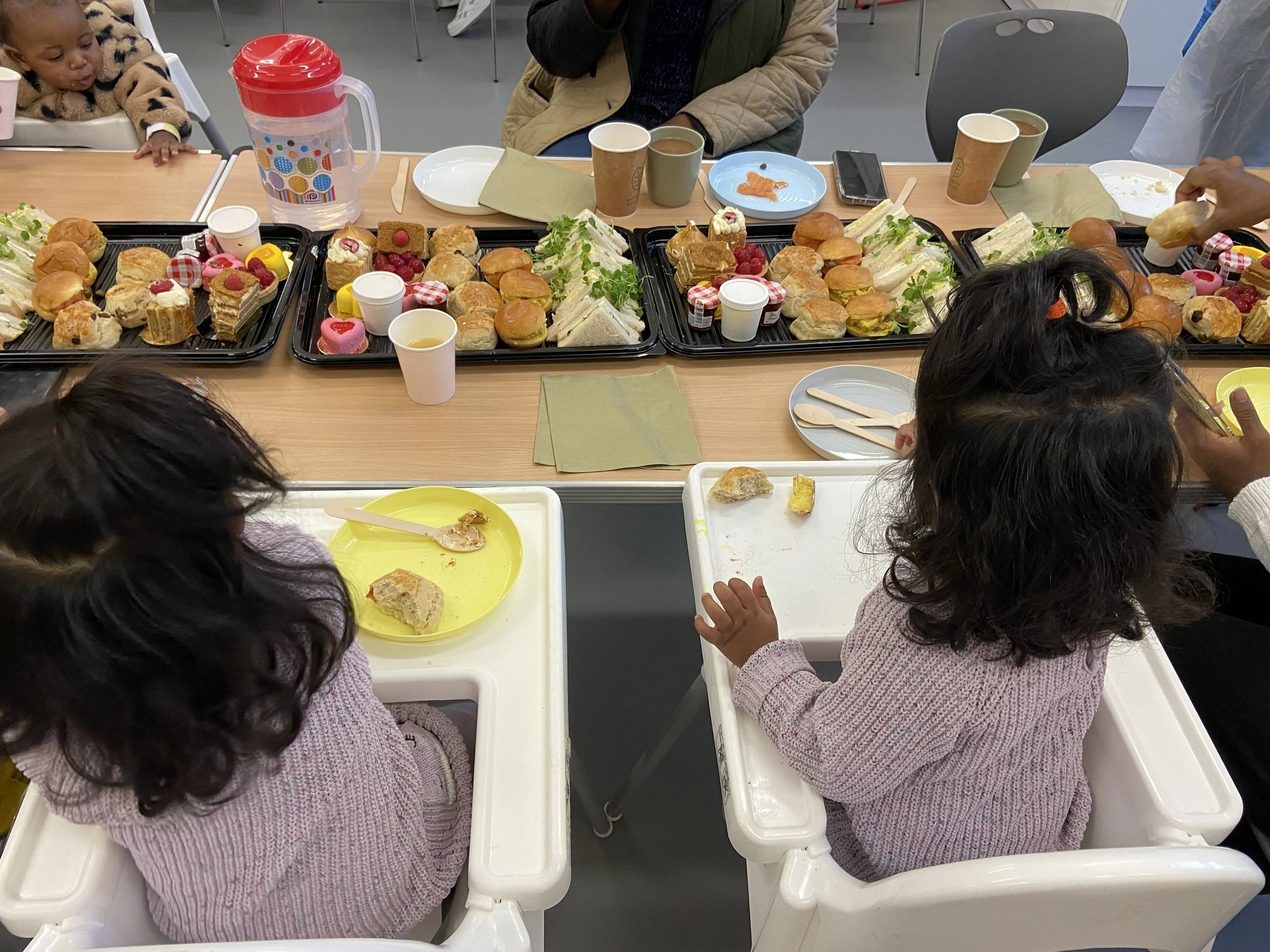
We have just had an incredible meeting between two cultural producers and our REACH team. It was a joyful, boisterous meeting - preceded by a share meal - where we introduced the team to our campaign around ‘No Child in a Home without a Kitchen’ and talked about our favourite foods, our favourite podcasts, and our favourite after school snacks!
What would a meaningful or impactful creative event look like for you and for the families involved?
The event would be a call to action, a call to understanding and a call to compassion. Success would involve people wanted to know more, people wanting to join our campaign, people wanting to tell other people about how are mums and minis live, and people thinking of what they can do - personally and professionally - to help our most beloved mum and minis to advocate for themselves and create a better life.
The Magpie Project is about so much more than housing, it’s about dignity, trust and belonging. How do you build that in your work?
We are not a ‘service provider’ we are a community. To be a ‘Magpie Mum’ means something. It means you have somewhere to go with your child where you know you will find a welcome, understanding, food to share, and someone to talk your issues through with.
Being a Magpie Mum also means that you have someone in your corner, you do not have to navigate difficult and unfamiliar systems such as housing, education, health or social services alone. ‘I told them I was a Magpie Mum, and they changed their approach’ one mum told us about a conversation they had had with a social worker!
You cannot short-cut to connection or belonging, we work in a trauma informed way with unconditional positive regard for our families. We keep our promises, and journey with our mums day by day - this is the only way to build trust. Now we have a community of mums who have been with the project a while, and they are our best outreach and advocates - they are willing to tell others what the Magpie Project does, and welcome new mums to our building. This community and belonging is the bedrock of all that we do.
In a system that often fails people, what role can creativity or storytelling play in shifting perceptions and policies?
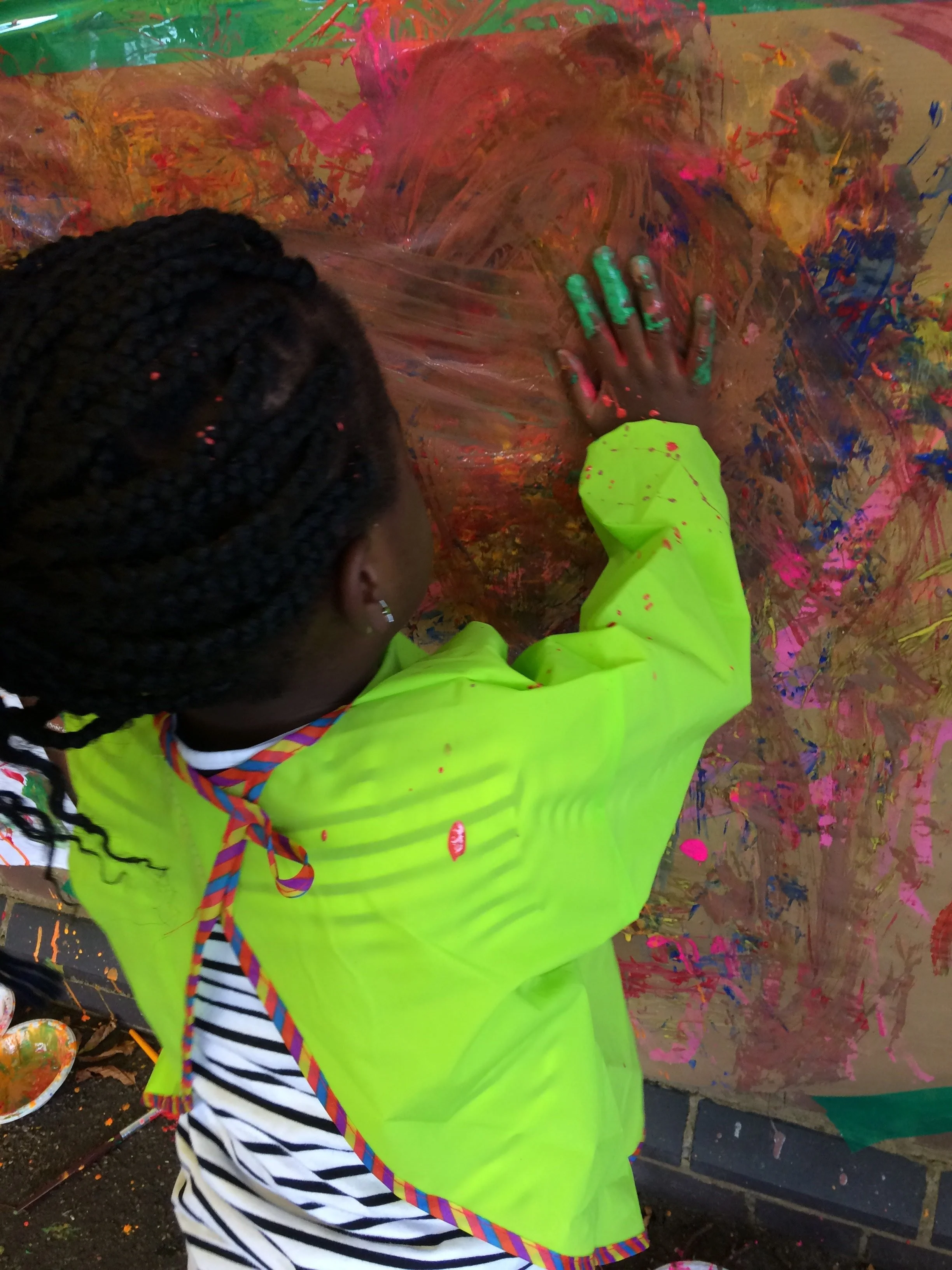
Storytelling moves the issues from bricks and mortar to babies brains and bodies. Appealing to our shared humanity makes clear what housing policies, or decisions around social care or education actually play out in the lives of those that these policies affect. In a world where our famlies are often ignored and dehumanised it has a ‘rehumanising’ effect. They brilliance of art and creativity is that it can bypass the brain and hit you straight in the heart and the gut - this is so useful when you are working with families who have been negatively portrayed by parts of the press. It gives us a reminder of how we are all humans with wants and needs and hopes and fears - no matter whether we are politicians or toddlers!
We especially love using arts in a really non-confrontational, communal and joyful way. We don’t want to upset people, we want our ‘joy to be an act of resistance’.
What do you wish more people understood about housing insecurity, especially for families in places like Newham?
Our main message is that when people talk about the housing crisis it is not about policies and politics - it is about people. It is not about the availability of buildings, bricks and mortar, it is about the brains and bodies of babies and mothers. We would urge people to understand that without a stable home you cannot even begin to build safety, ease, and growth. Nothing else can grow without the solid ground of a home.